



Building With Hope & Faith
Beautiful, Comfortable and Safe
Today and Tomorrow
Today and Tomorrow
“We want to grow old here. We don’t need help getting around now, but we want to be prepared for when we get there”.
Planning for Tomorrow
Designing a home that allows you to age in place comfortably (and beautifully) is a desire commonly brought up by our clients – before it becomes a need.
When this request comes up, it’s typically part of a project they already wanted – so adding aging in place features and considerations to the wish list just makes sense.
You already know you want this to be your “forever” home, but none of us can possibly know what the future will bring, so it may be wise to add some smart mobility features while you’re already planning a renovation or addition. Aging in place looks far different in 2026 than it did years ago. Say good bye to “hospital” looking accommodations and take a stroll through modern and attractive features to consider for your forever home.
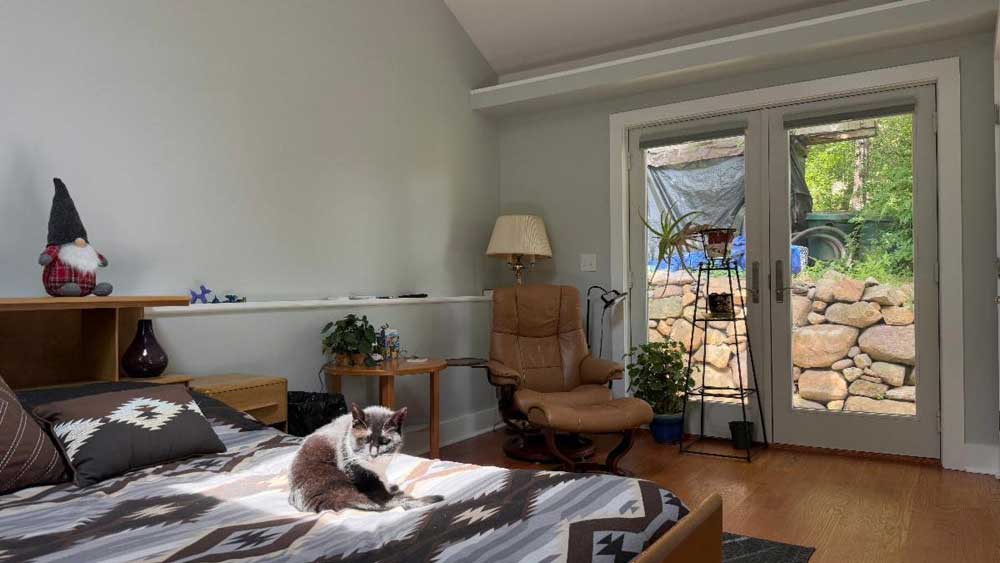
Start Thinking About Mobility
A major consideration is the size of your house. Comfortable aging in place may be more challenging if your house is too small to accommodate these needs, so it might be a wise reason for planning a full addition.
Is it wheelchair friendly? If you’re renovating anyway, let’s make the doorways wide enough for a wheelchair or a walker. Even if you wind up not needing the extra space, no one ever complains that the doorways are “too big”. Typically, during our Design Consultation, we also discuss step-up and step-down features if they currently exist in your home.
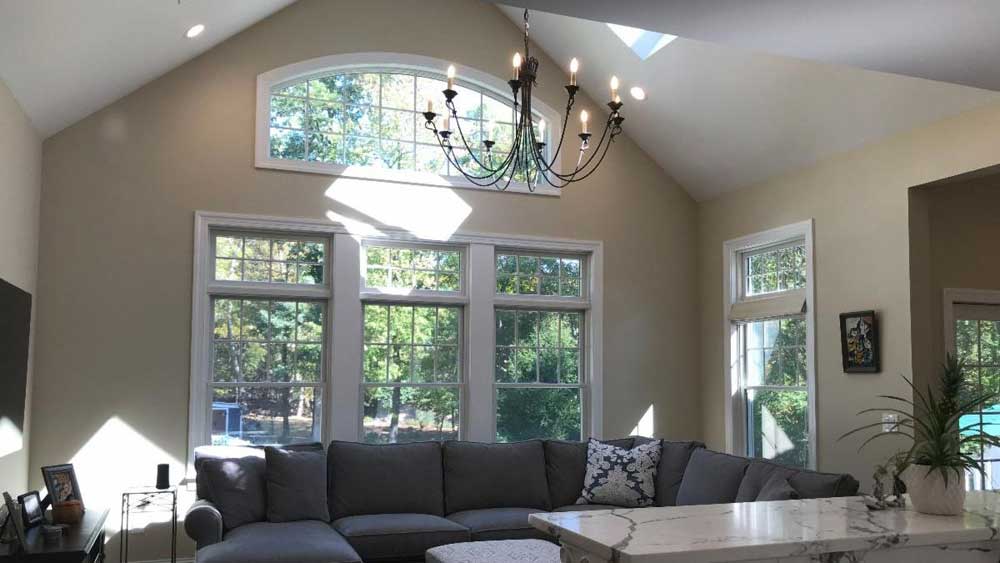
When Eyesight Declines
As our eyes age, better lighting becomes more of a necessity, rather than just a nice luxury. The key is to have multiple types of lighting, preferably with some being dimmable.
Assess all the areas in your house right now – take note of a dark stairwell or hallway, and the potential stumbles in getting from bedroom to bathroom in the night. We recommend having task lighting in kitchens, especially under cabinet lights to brighten your work space. Additional lighting is never a bad decision – it makes sense for everyday living for all. And the controls should be such that the various types of lighting can be turned off or on, or dimmed, separately.
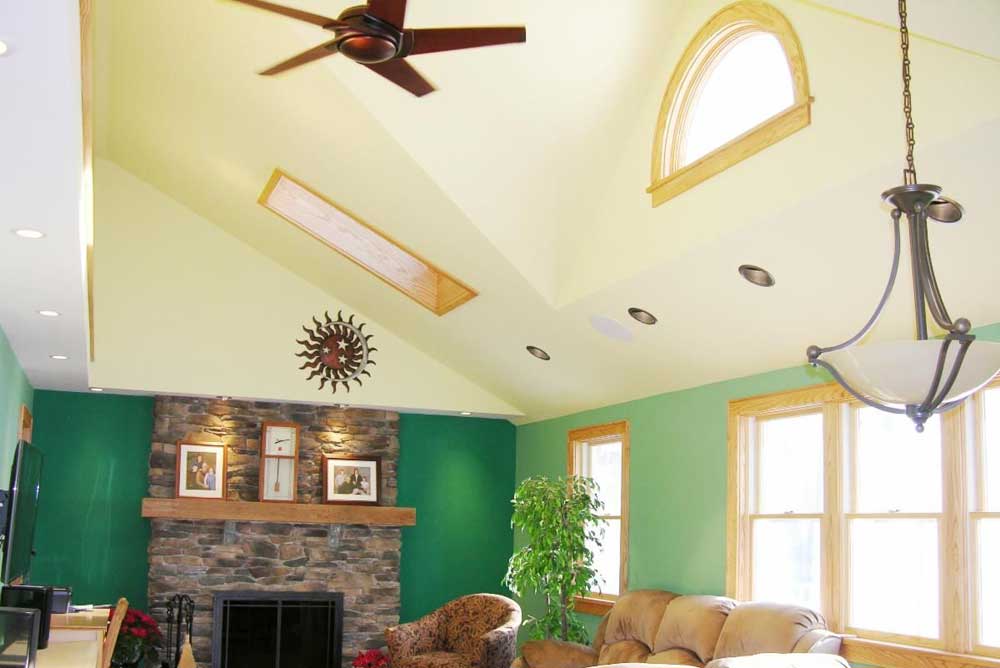
Good mobility design is really for everyone. Wider doorways. Better lighting, both as natural lighting from additional windows and more light fixtures. A simple vertical handrail, even for just 1 or 2 steps won’t be a hindrance but it can help prevent disaster later.
The Location of the Master Bedroom
Many people are very concerned about possible loss of mobility, and very often think of their bedroom first. If your traditional 2-story home has the master on the second floor, do you need to relocate it to the first floor?
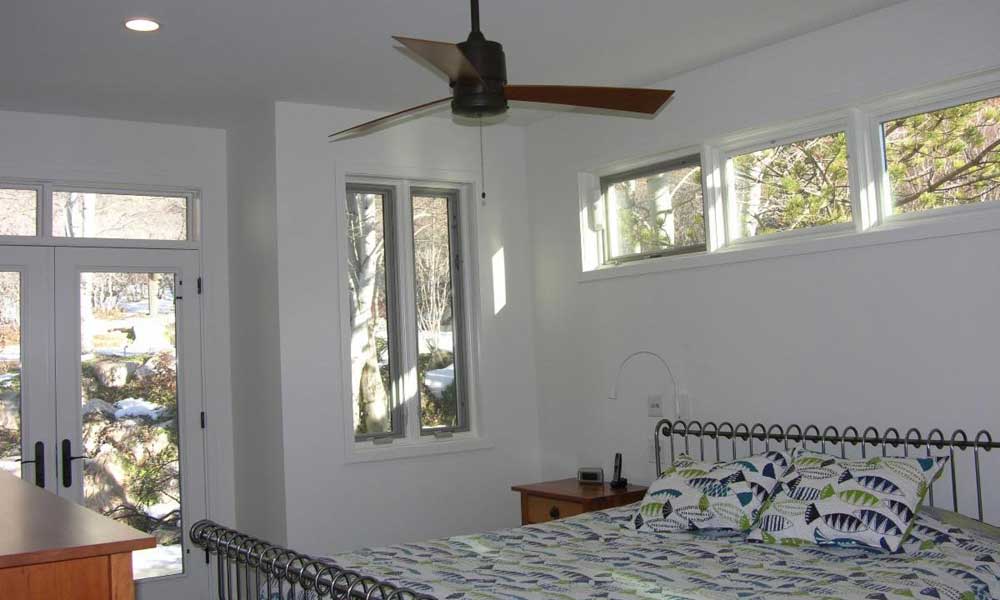
One way to accomplish this is to create a full-size guest bedroom on the first floor, with either an en-suite bathroom or a full bath very close by – so you have the option to move to this bedroom if the need arises.
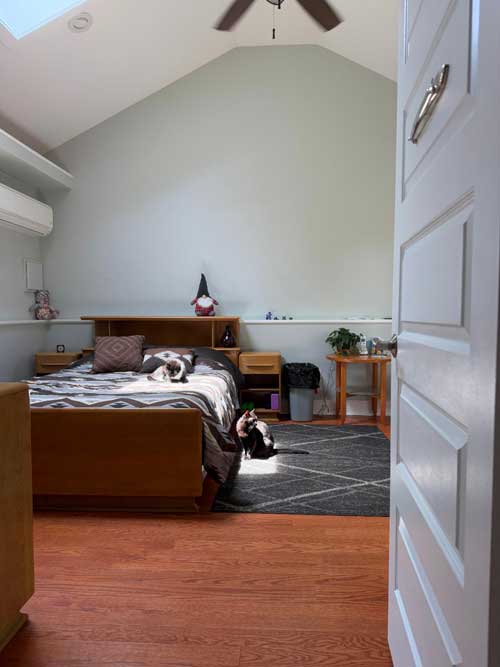
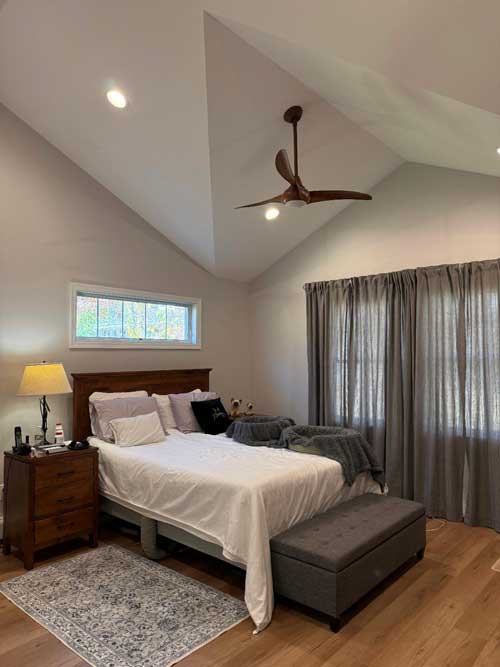
Or, thinking creatively, is there a little-used room on your first floor, that if you had to, could be converted to a bedroom easily – perhaps by moving furniture or adding a door? In this case, there needs to be a full bathroom close by.
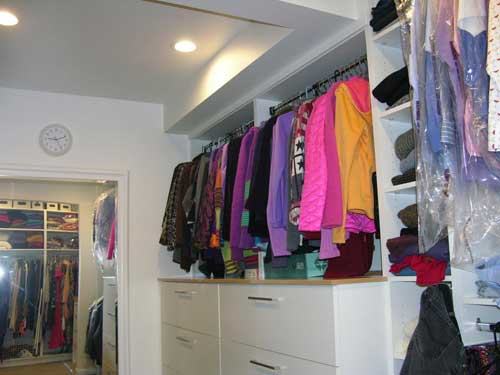
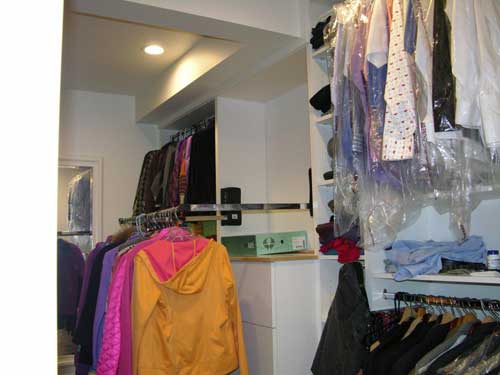
Even the inside of your closet can be upgraded with mobility features. For example, 2 rows of rods to hang your clothes, where the top rod can be pulled down.
When the Stairs Become an Issue
What if you don’t want the bedroom on the first floor but can’t do stairs? A temporary and easy solution can be a stair lift. It can be installed and later taken out.
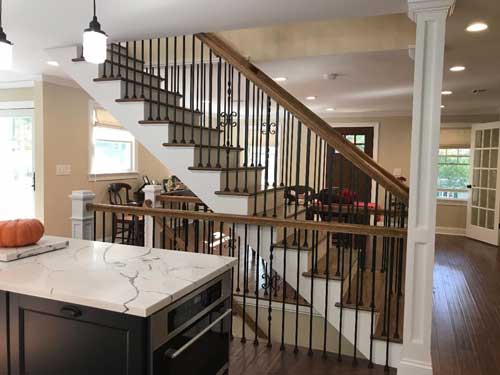
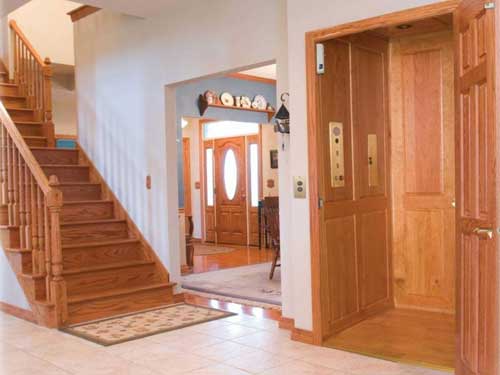
A more tailored solution is an elevator. Some residential elevators are not prohibitively expensive. Sometimes able-bodied people will plan ahead and figure out where it would go if you ever need it. Tricky part – it has to work in the same spot on all levels.
Could be perfect for one spot on one floor, but then not on the floor above and/or below. There are different options and approaches for how to handle an elevator.
In one project, they installed one when they still could do the stairs. And in another project, they put in walk-in closets on the 1st floor and 2nd floor – one directly above the other, so a future elevator could be installed. (But don’t become attached to the closets because they may need to be given up for an elevator in the future.)
In a third option, you could figure out now where the elevator would go if needed. Designate this space as “future elevator” and leave it open and available without “building” something there now. Then in the future, if necessary or desirable, an elevator can be installed without a lot of remedial work.
Looking for tips on making your new bathroom or kitchen future-ready? Stay tuned for these tips and examples in the next edition of Building with Hope and Faith.
Even if your home is matching your needs for today, will it fit your needs in 10 or 15 years? If you’re already considering making changes to your home in a renovation or addition, let’s discuss making changes that will support a comfortable lifestyle for your family for years to come. Don’t think it can work? Just ask us.
Your surroundings can totally affect your life,
your spirit, your emotional well being!
your spirit, your emotional well being!
Do you have transformational dreams for your house and
simply can’t “see it happening?”
Click below to get started.
If a friend forwarded this to you, this does not mean that we have added you to our list.
However, if you would like to receive our updates, click below.